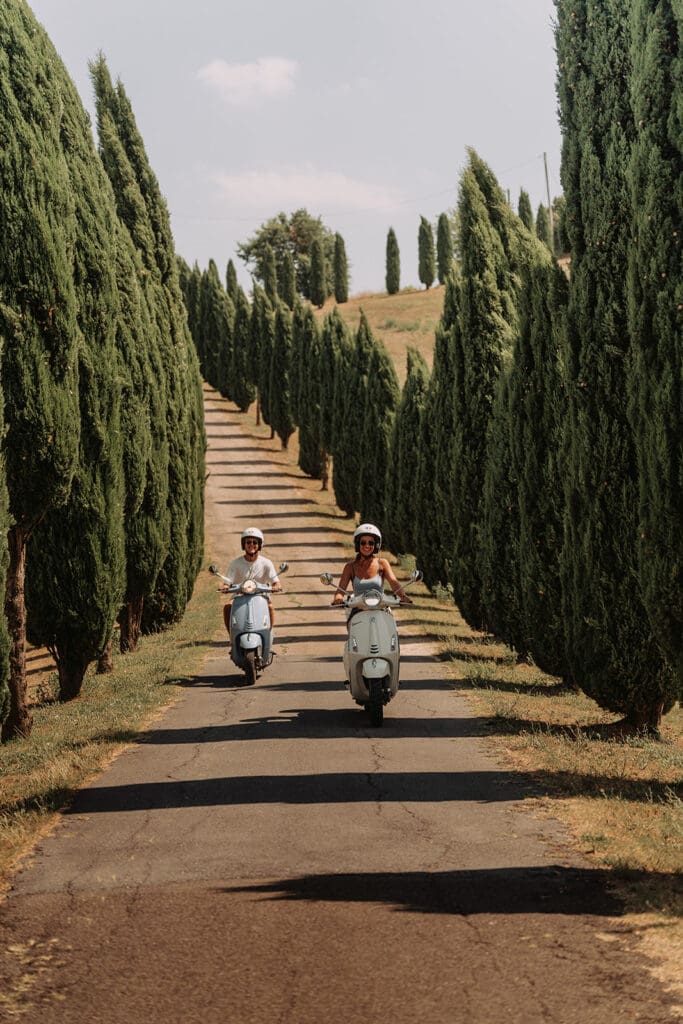
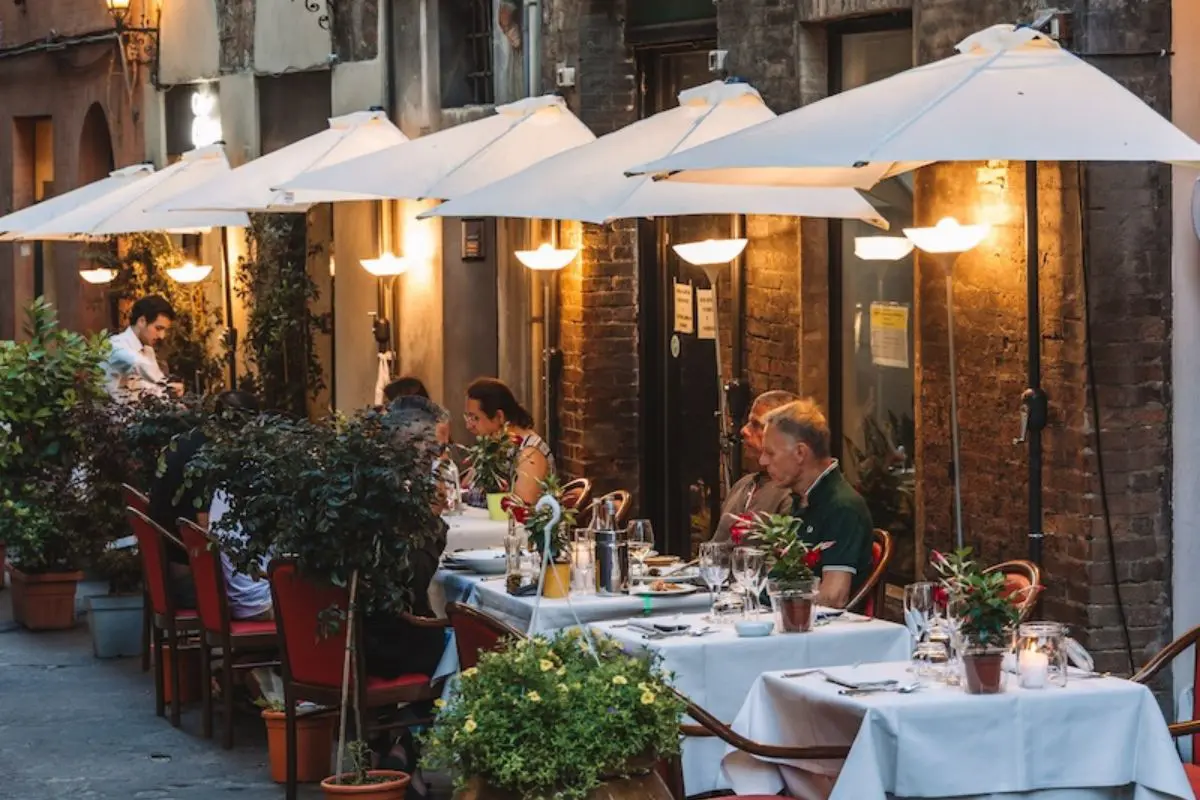
Feel the sun on your face as you ride a Vespa past endless vineyards and rows of cypress trees. The air smells of freshly baked pane toscano and a hint of rosemary , welcome to Tuscany! This region in the heart of Italy is a paradise for anyone who loves honest, good food and fine wines. From the medieval towers of Siena to the Renaissance streets of Florence, there’s a table with something delicious waiting round every corner.
Tuscan cuisine tells the story of its people. Farmers who had little, but knew how to turn bread, beans and a good piece of meat into something special. It’s a pure kitchen. No fancy tricks needed!
Discover in this food guide the traditional Tuscan dishes that make this region a foodie destination like no other.
The essence of Tuscan cuisine
Tuscans are fondly nicknamed mangiafagioli by the rest of Italy: bean eaters. It’s a joke, but a fair one, this cuisine is built on simple dishes made with fresh, local ingredients. Think sun-ripened tomatoes, olive oil from the family grove, and meat from animals that have grazed freely on the hills. Little waste, lots of flavour.
Locals are fiercely proud of their traditions. Family recipes get passed down through generations, and a meal here can easily stretch to a few hours, with everyone savouring every bite and each other’s company. Step into a trattoria in a Chianti hilltop village, and you’ll often taste history.
Exploring Tuscany by Vespa puts you right in the middle of this culinary scene. You stop when a smell drifting out of a kitchen catches your attention, or when a village square simply won’t let you pass by.
Top 5 traditional Tuscan dishes every foodie should try
1. Tagliere Toscano (Tuscan cheese & charcuterie board)
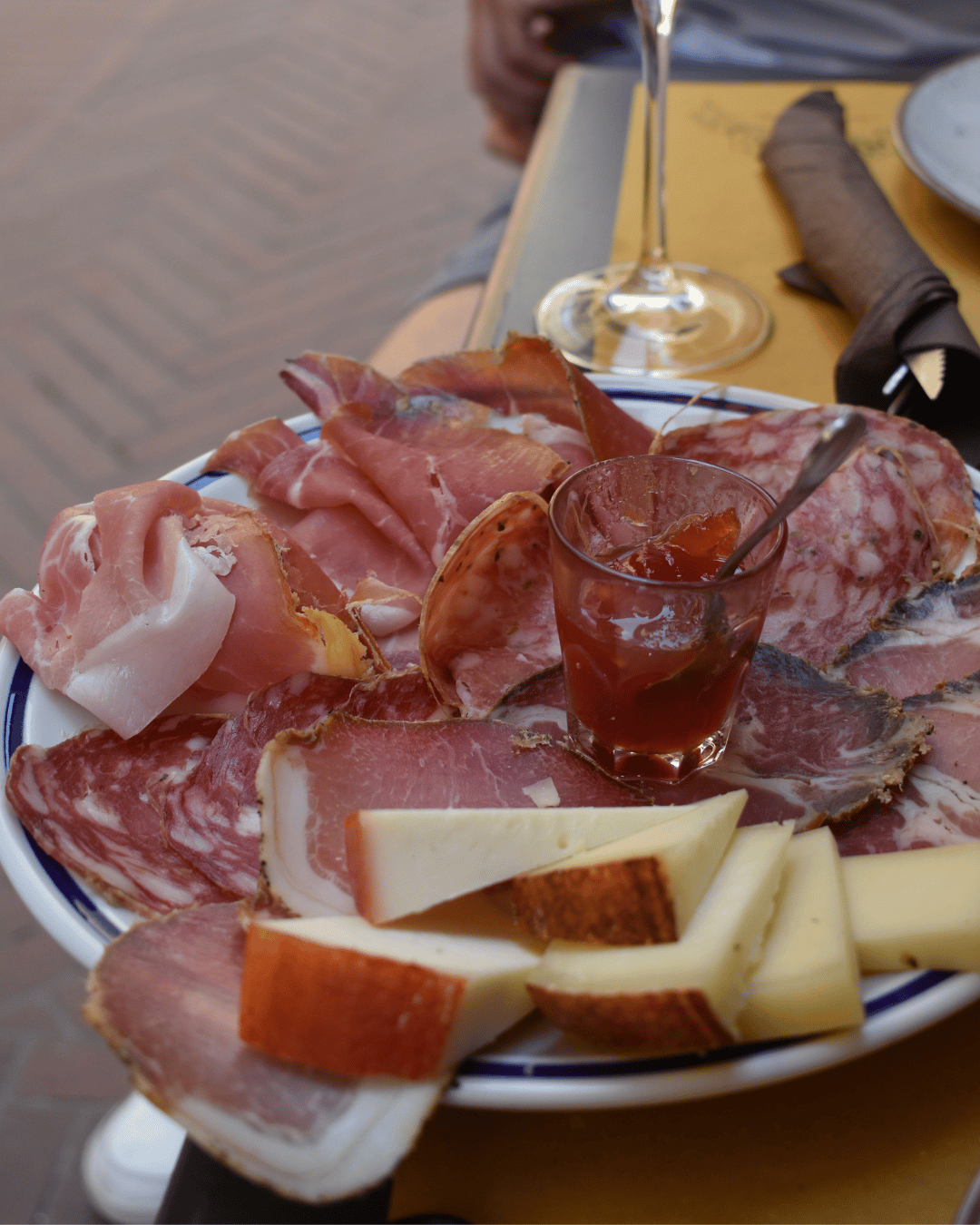
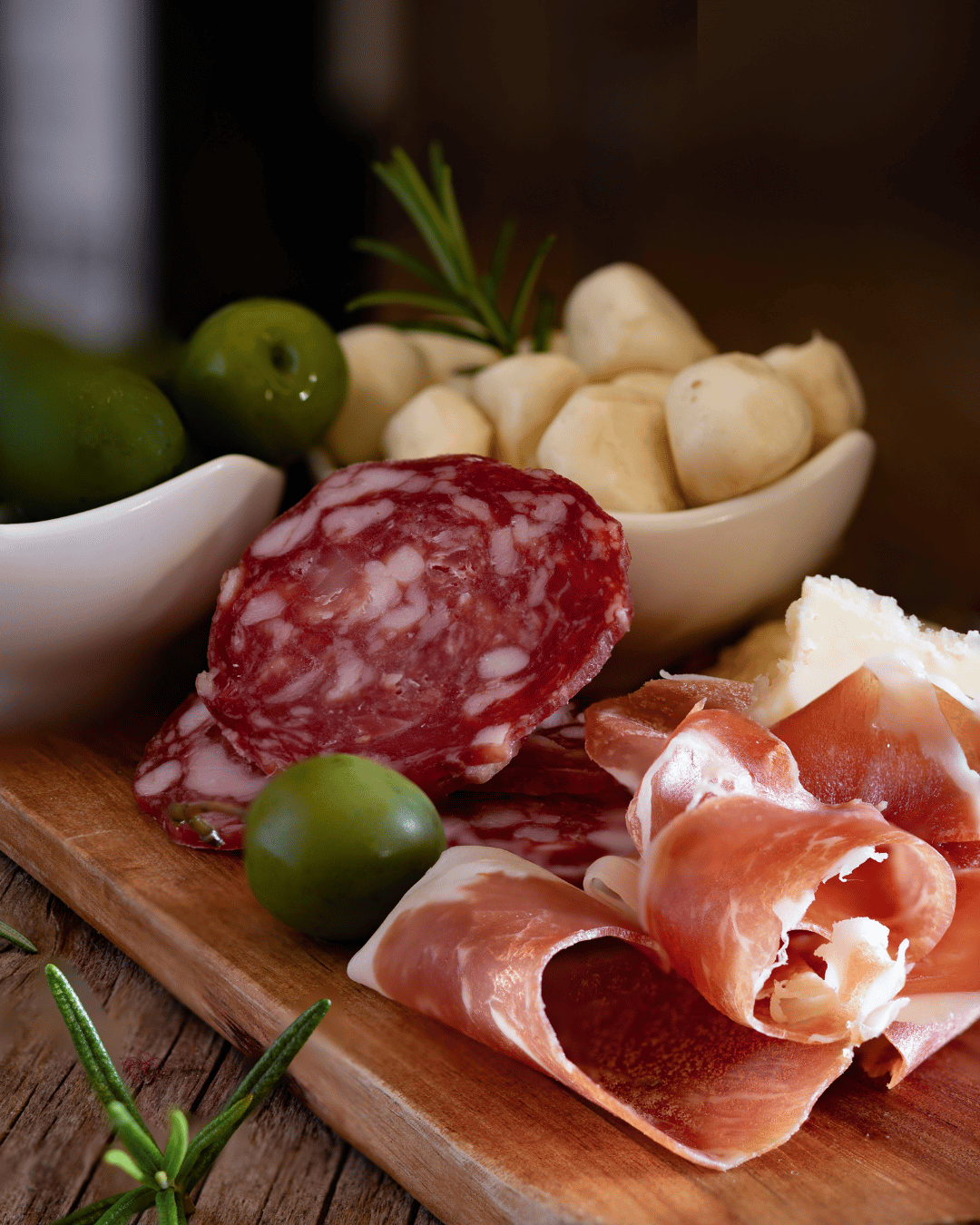
Before the main course arrives, almost every meal here starts with a tagliere: a board of thinly sliced pecorino toscano, finocchiona (fennel-seed salami) and lardo di Colonnata, cured for months in marble basins. The perfect starter, and a fitting introduction to the rest of this list.
Where to find the best: at Macelleria Falorni in Greve in Chianti, you can put together your own tagliere and eat it on a bench in the square.
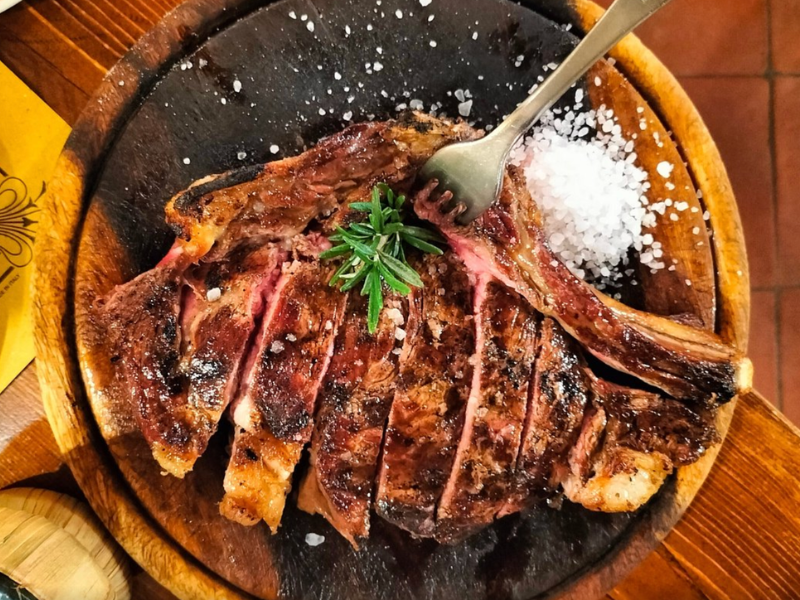
2. Bistecca alla Fiorentina (Florentine Steak)
This enormous T-bone steak, sometimes called steak fiorentina, is the reason Florence sits on so many bucket lists. It’s cut from Chianina beef reared in the Val di Chiana, grilled briefly over charcoal, and served deliberately rare in the middle. Just salt, pepper and a drizzle of olive oil, this meat needs nothing else.
Where to find the best: Trattoria Mario (Via Rosina 2r) in Florence has been grilling it since 1953 and only opens for lunch. Get there early, as there’s often a queue. For something a little quieter, head to All’Antico Ristoro di Cambi in the San Frediano district, on the other side of the Arno.
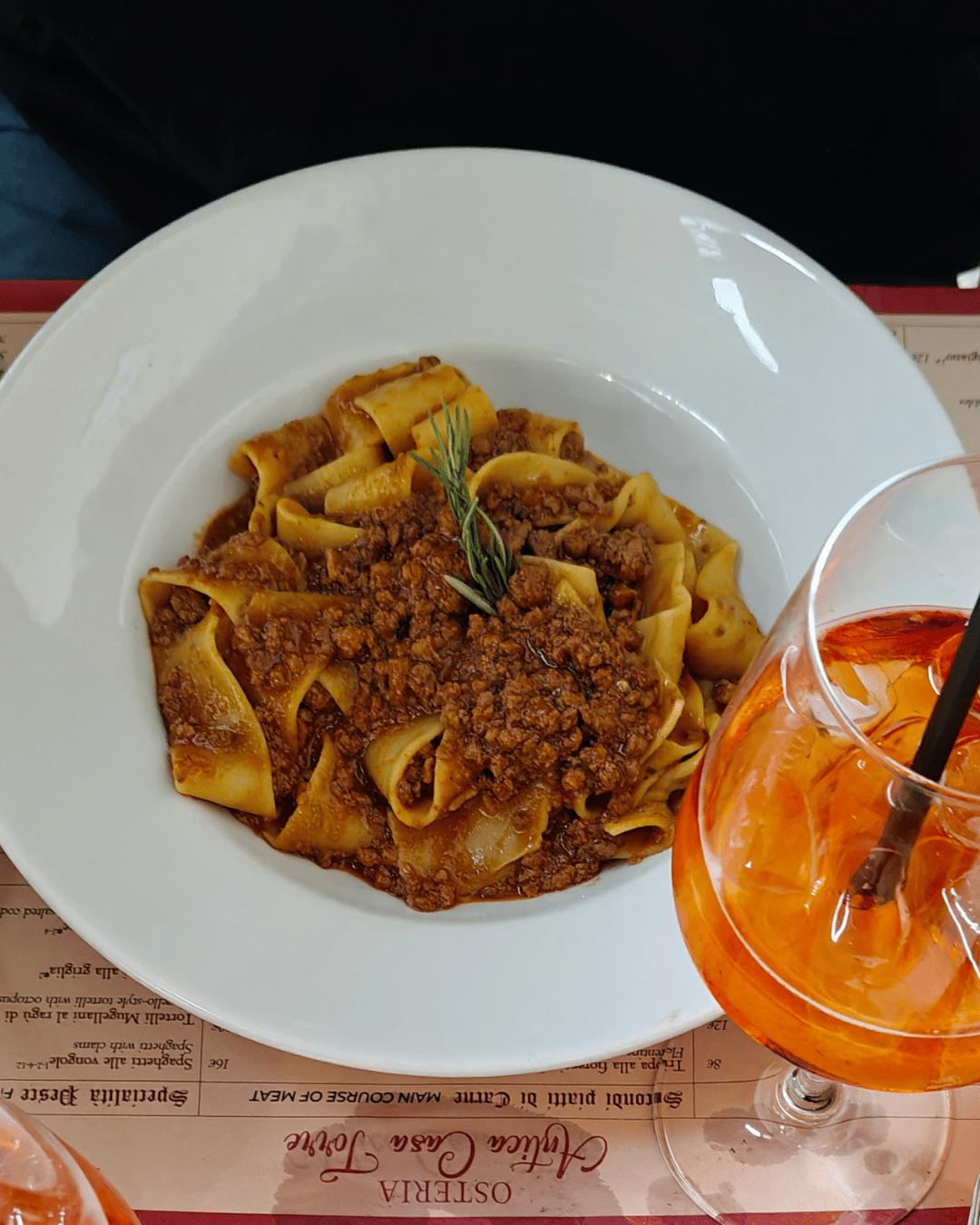
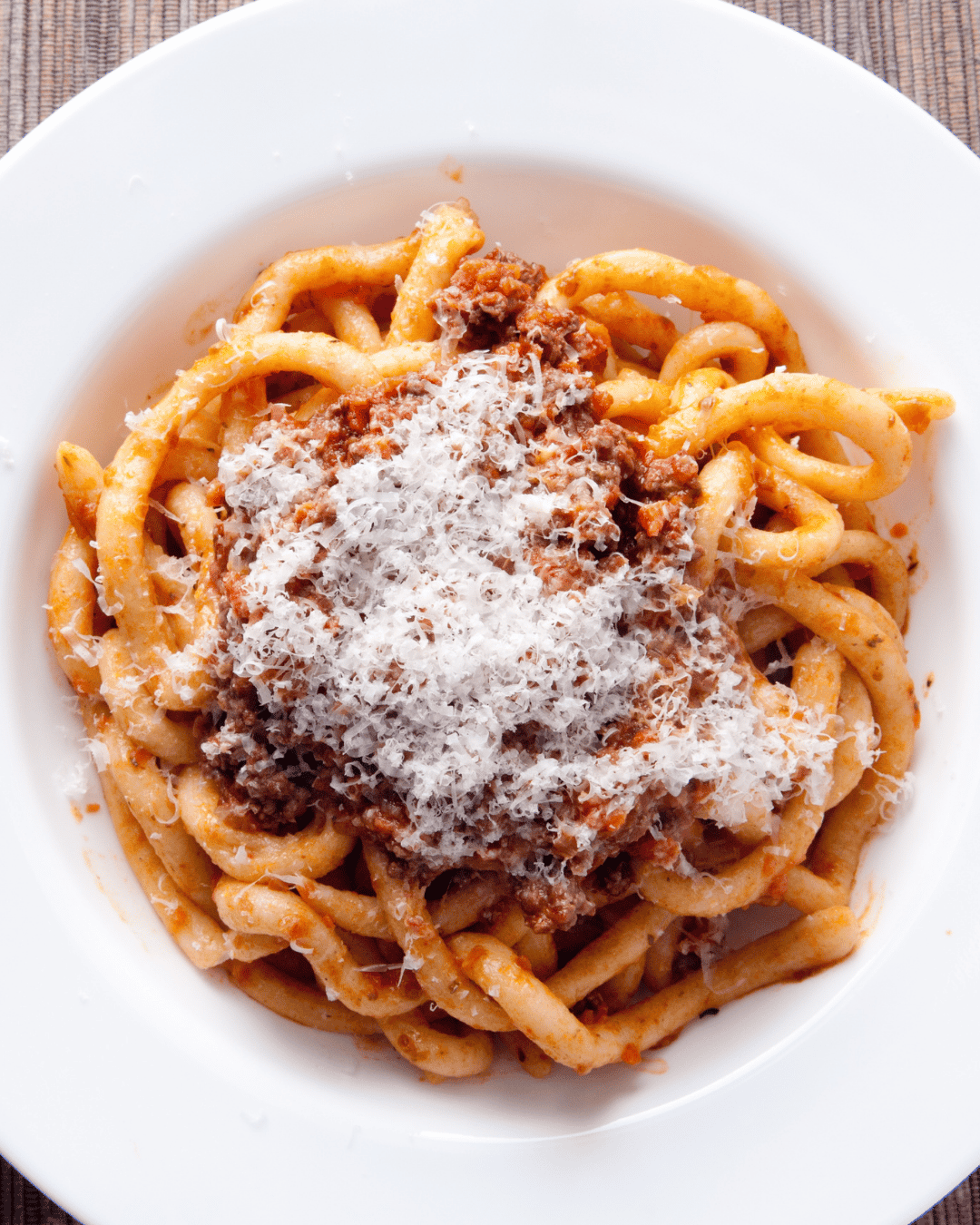
3. Ragù di Cinghiale: the Sauce Behind the Pici
While the rest of Italy reaches for spaghetti, Siena does its own thing. Pici is a thick, hand-rolled pasta, a little rough round the edges, which is exactly why every sauce clings to it so well. The favourite pairing is pici al cinghiale: pasta with a rich wild boar ragù, often still fresh from the hunt in the woods around Chianti. A ragù here is rarely the familiar jarred meat sauce, either in Tuscany, ragù usually means game, and that’s exactly why people keep coming back for this pasta.
Where to find the best: Trattoria Papei on Piazza del Mercato in Siena has served the same recipes across three generations since 1939, including an excellent ragù di cinghiale.
4. Ribollita
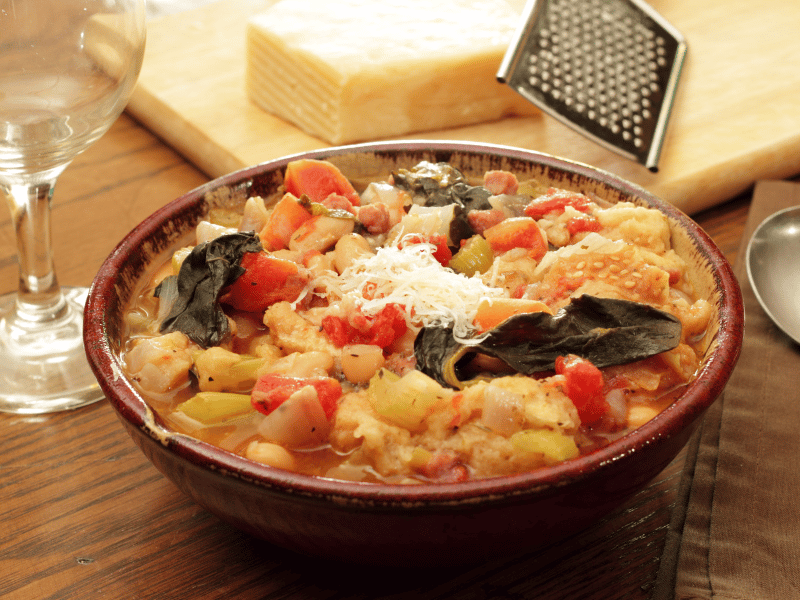
This thick soup of stale bread, cavolo nero (Tuscan kale) and white beans is literally “reboiled”, so it tastes a little better each day. A proper winter dish, and proof that Tuscany’s peasant cooking tastes richer than you’d expect.
Where to find the best: La Casalinga in the Santo Spirito district of Florence has been cooking the same dishes at the same fair prices since 1963. Da Burde, a little outside the centre on Via Pistoiese, is also known for its ribollita.
5. Panzanella
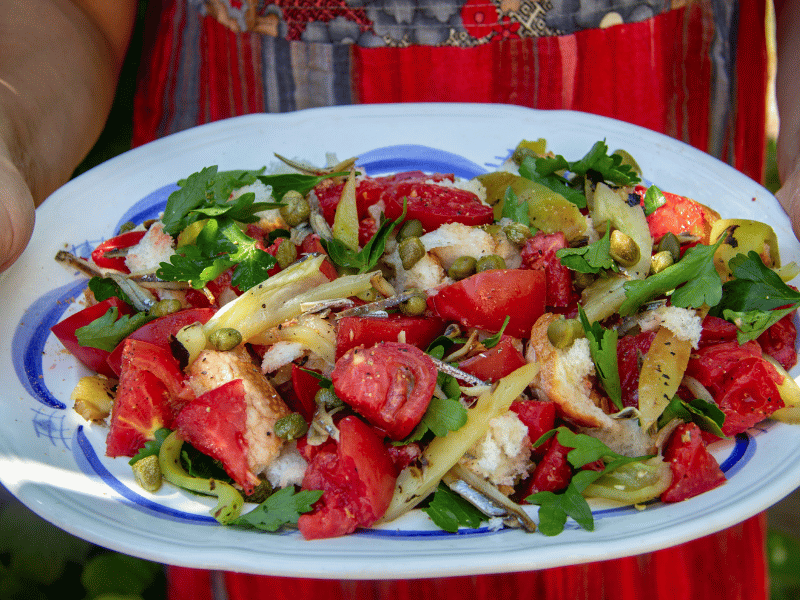
The summer counterpart to ribollita: a cold bread salad with tomato, red onion, olive oil and a splash of vinegar. Simple, fresh, and exactly what you need after an afternoon on the Vespa in the heat.
Where to find the best: panzanella changes composition almost daily, depending on what turned up at the market that morning. Just order it at any terrace with a view over the hills. In summer, it’s on every menu, from a small osteria in Chianti to a table on Piazza del Campo in Siena.
Why Cacio e Pepe still turns up on the menu in Tuscany
Let’s be honest: cacio e pepe, that simple pasta with pecorino and freshly ground black pepper, actually comes from Rome. Not a Tuscan dish, then. But because pecorino is a local point of pride in Tuscany too, and cacio e pepe is now eaten right across Italy, you’ll still spot it regularly on menus along the way. Order it if you fancy it, just know you’re technically taking a little trip to Rome on your plate.
Olive Oil: Tuscany’s liquid gold
Tuscany might not produce as much olive oil as Puglia, but what’s pressed here is famous for its peppery, herbaceous character. Ride through the hills around Chianti and you can barely look away from the ancient olive groves.
At Frantoio del Grevepesa, right in the centre of Greve in Chianti, you can visit the old press and taste the freshly pressed oil, usually alongside a tagliere loaded with Tuscan treats. You’ll recognise a good Tuscan olive oil by a slight tickle at the back of your throat, that’s exactly how you know it’s the real thing.
The vineyards of Chianti
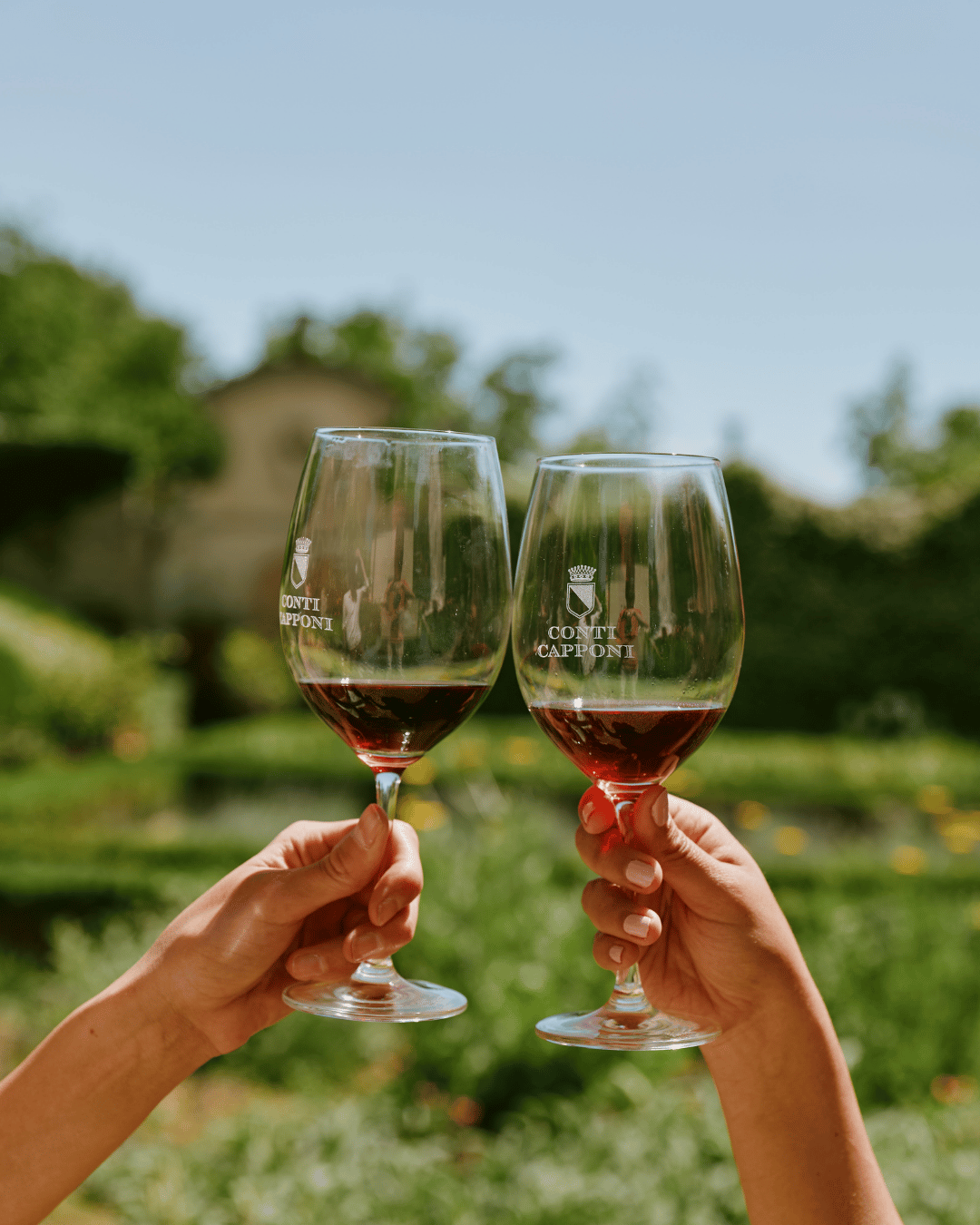
Tuscany’s landscape is shaped almost as much by wine as by olive trees. The area around Siena and Florence produces the famous Chianti wine, made from the Sangiovese grape, while the hills around Montalcino and Montepulciano give us Brunello and Vino Nobile, two of Italy’s finest reds.
For a lovely wine experience right in Florence, step into Cantinetta Antinori on Piazza Antinori. The Antinori family has been making wine in Tuscany since 1385, and here you can taste the classics alongside seasonal Tuscan dishes.
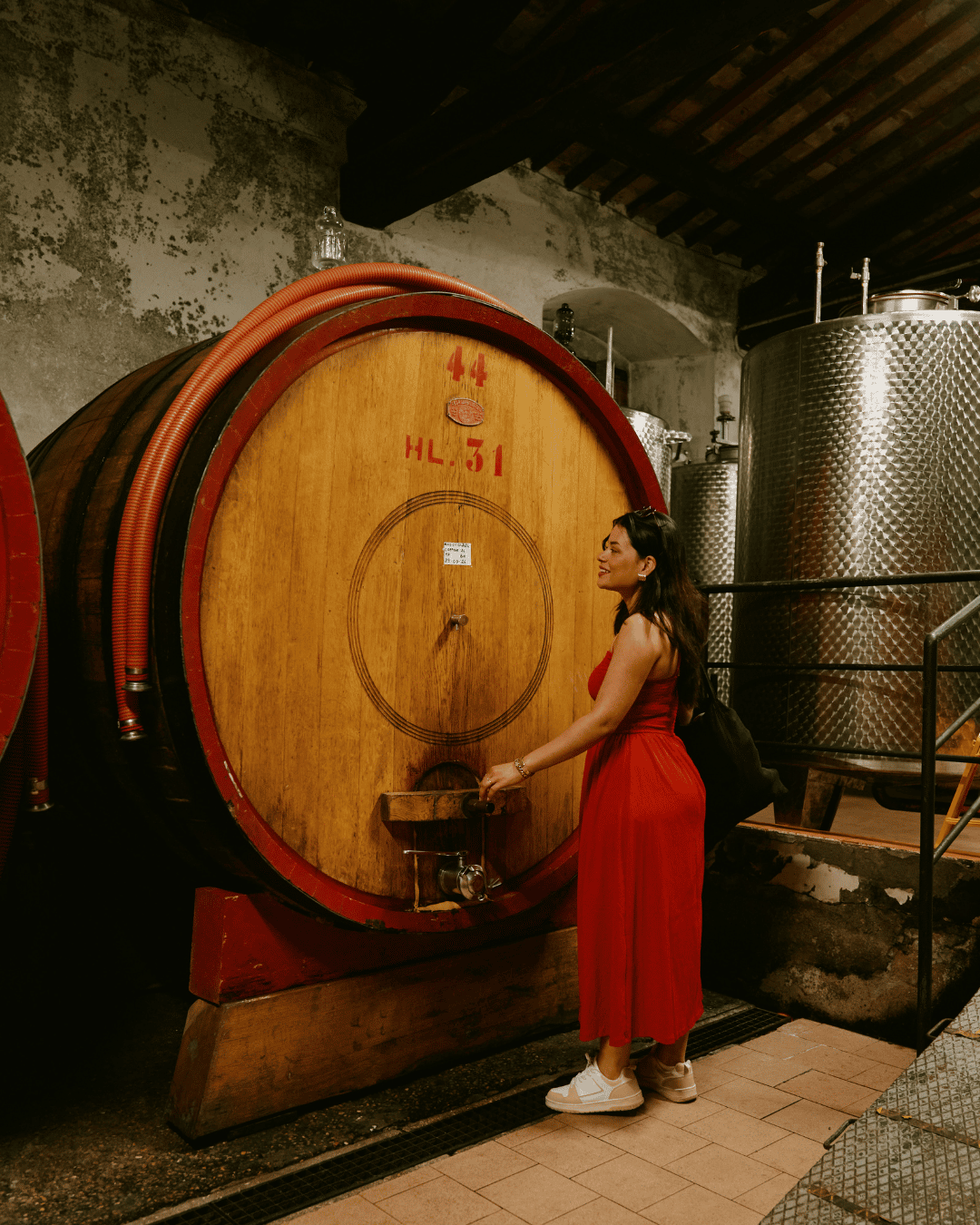
If you’re visiting the Chianti wine region, make sure to do a proper wine tasting: you’ll not only learn how Chianti is made, but taste the difference between a young and an aged Sangiovese straight away. This as an optional activity offered on both The Vespa Trip Tuscany (Il Giro Classico) and The Vespa Trip Chianti.
Tuscany for vegetarians: Fresh, local and full of flavour
Although Tuscany is known for its meat dishes, vegetarians needn’t worry. Ribollita, panzanella and fagioli all’uccelletto (white beans in tomato sauce) are naturally plant-based and packed with flavour, as is a good plate of pasta with mushrooms or truffle from the woods around Siena.
For a lovely veggie meal in Florence, head to Il Vegetariano on Via delle Ruote. This relaxed restaurant, a firm favourite in the city for years, serves a daily-changing menu of plant-based dishes made with fresh, seasonal vegetables.
Expert Tips for Food Lovers in Tuscany
- Follow the locals: if you spot a queue of Italians outside an unassuming trattoria, join it. They know where the good food is hiding.
- Wander through Mercato Centrale in Florence: this covered market hall in San Lorenzo, right in the heart of Florence, is the place for a quick, affordable lunch among the stalls. From fresh pasta and focaccia to a lampredotto sandwich, you can taste the city here without booking a table.
- Respect mealtimes: lunch usually runs from 12.30 to 2.30pm, and dinner rarely starts before 7.30pm. Turn up too early, and the kitchen might still be closed.
- Save room for a sweet finish: cantucci and ricciarelli, two types of Sienese almond biscuits, are made to be dipped in a glass of Vin Santo until just soft.