What is Veneto known for? 7 things that make Veneto so special
Say “Northern Italy“, and most people picture the same things: canals, mountains, a good glass of prosecco. Say “Veneto“, the region where all of that comes together, and you’ll often get a slightly blank look. That’s the odd thing about this region: almost everyone knows the individual parts, but almost no one can point to Veneto itself on a map.
Venice, prosecco, the Dolomites: it’s all Veneto. Here are seven things that make this region so special, and that you can now file under one single name.
1. The Dolomites: mountains that steal the skyline
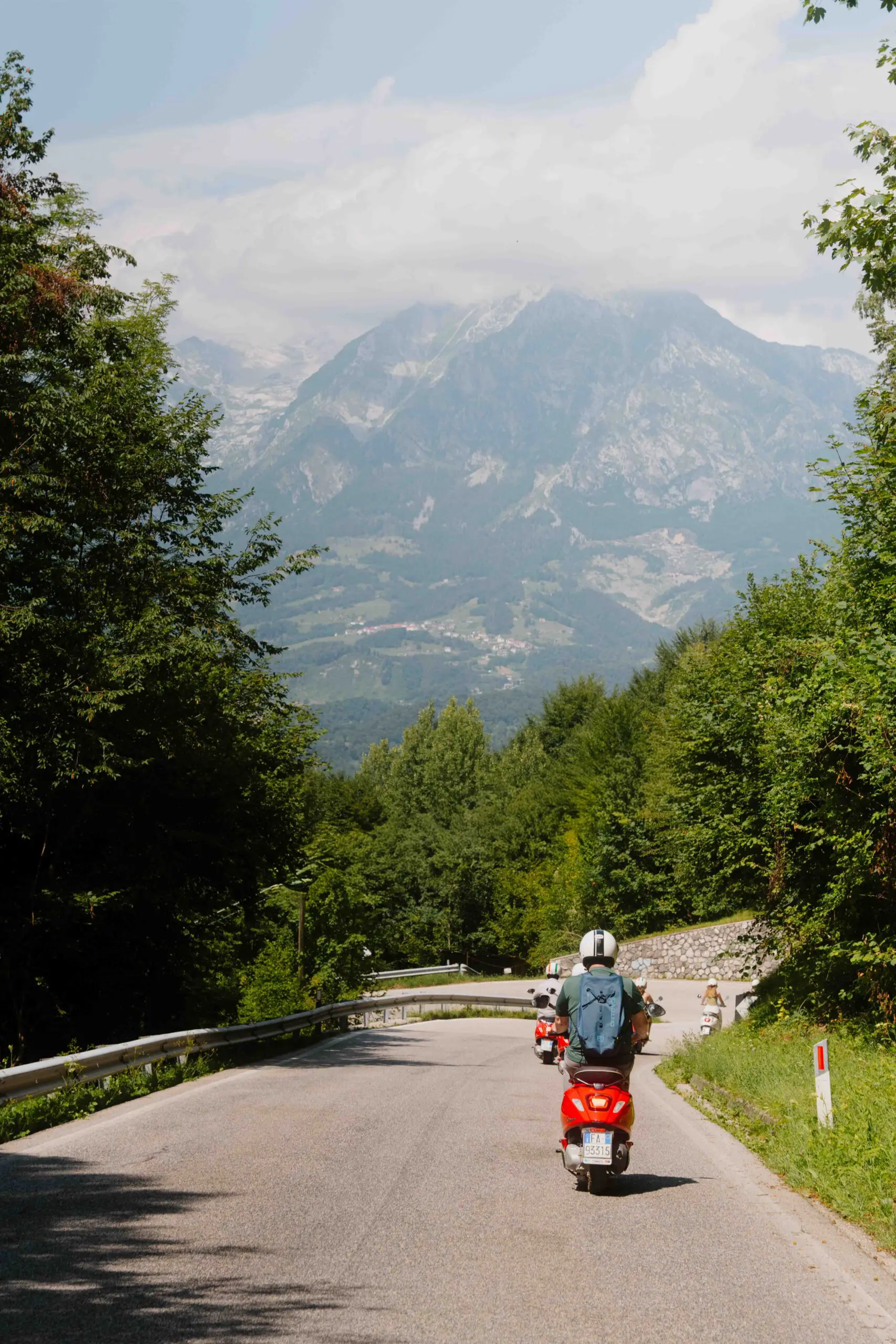
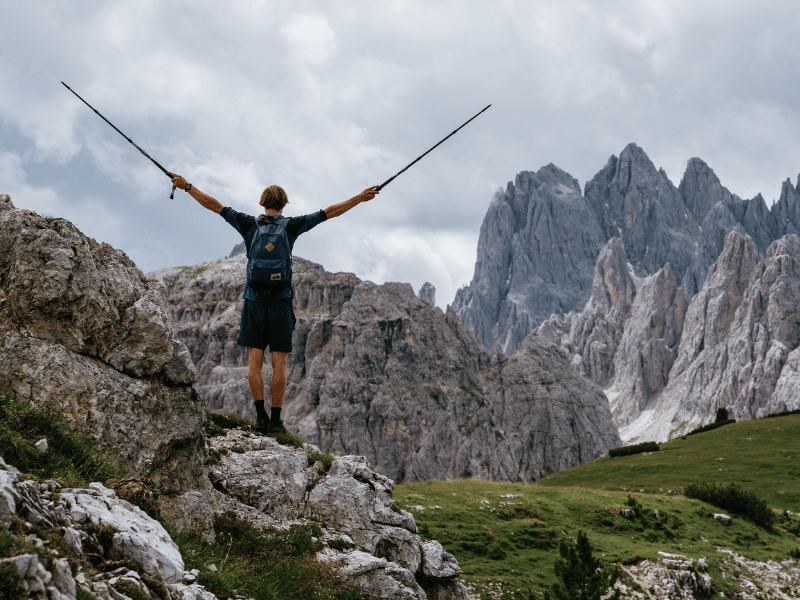
Start with the landscape, because that’s what sets Veneto apart from the rest of Northern Italy. The Dolomites, with their jagged peaks and pink glow at sunset, have been on the UNESCO World Heritage list since 2009. This is a popular hiking destination. If you’d like to do a multi-day trek and want to make sure your huts are booked, we recommend doing so through a trail organization such as The Dolomiti Trail.
2. Prosecco & Valdobbiadene: Veneto’s bubbles
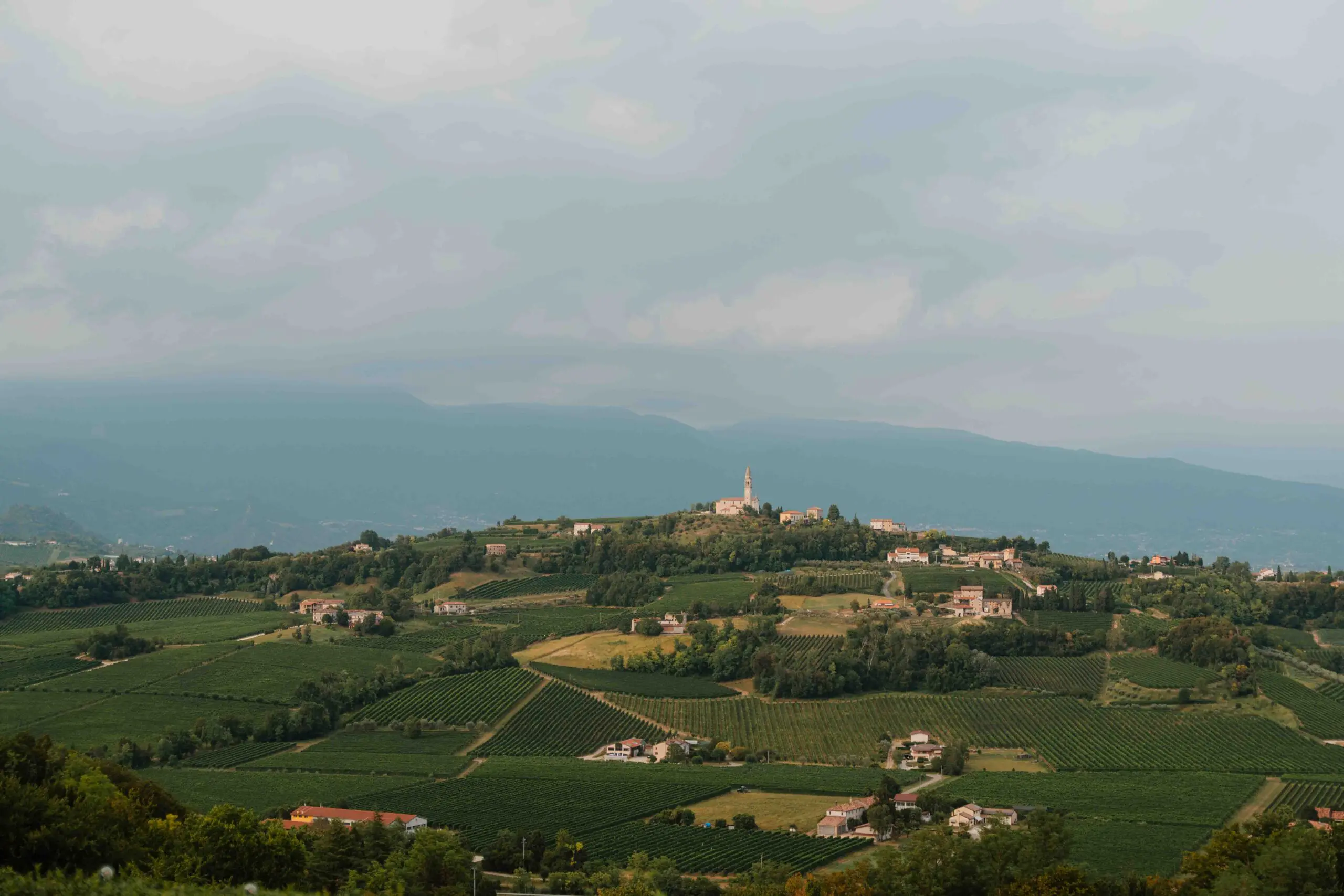
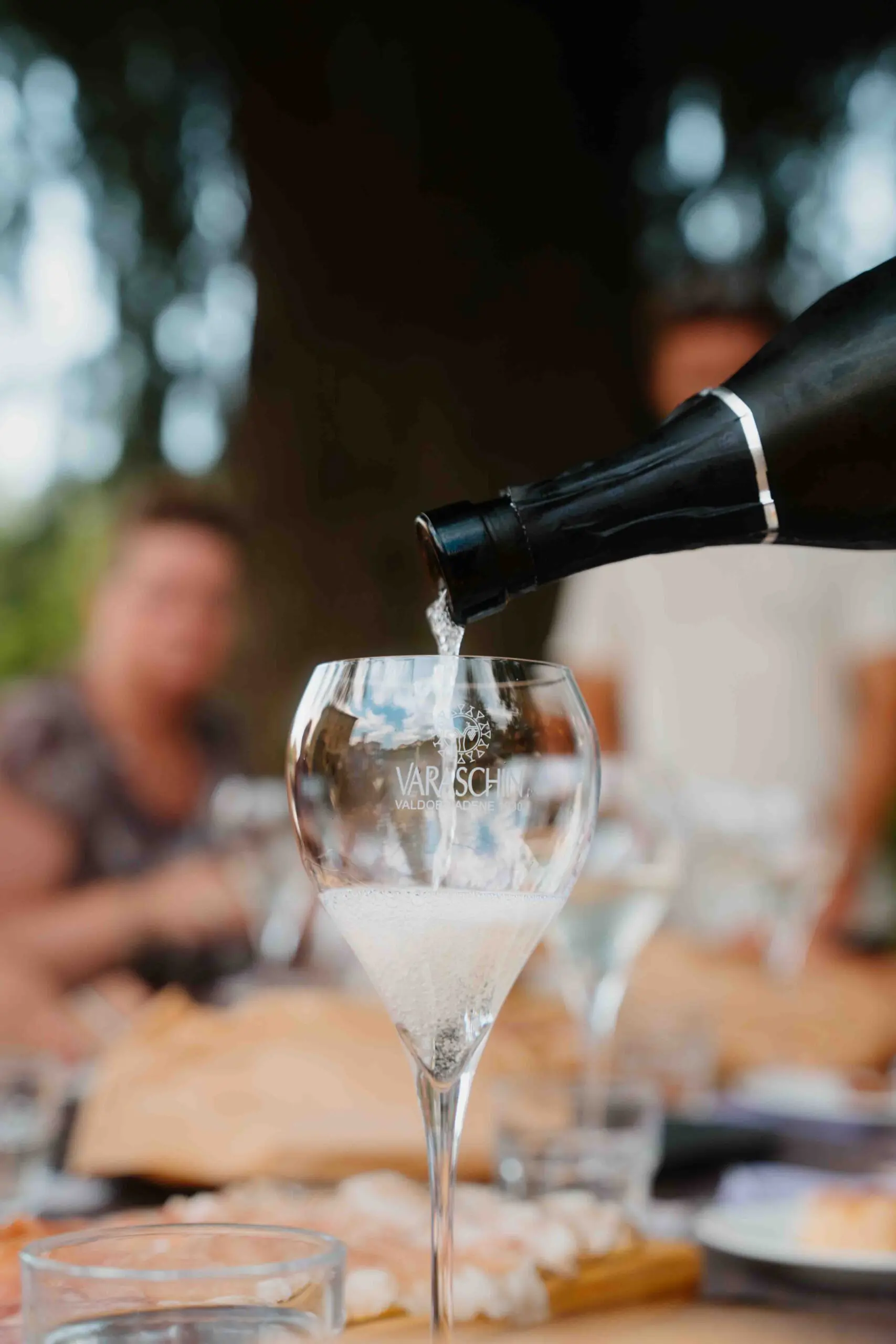
No conversation about Veneto gets very far without a glass of prosecco turning up. The best of it comes from the hills around Valdobbiadene and Conegliano, where the Glera grape grows on steep, hand-worked slopes. This area, the Prosecco Superiore zone, is also UNESCO-listed. Touring these hills on two wheels, with a wine tasting along the way, is one of the best ways to see the region up close.

3. Venice: the city of canals
Built across more than a hundred small islands in a lagoon, Venice is the city that gave the whole region its name. There are no streets for cars here, only canals, bridges and narrow alleyways. St Mark’s Basilica, the Doge’s Palace and, of course, a ride on a gondola are all essential. From the Prosecco hills, Venice makes for a natural day trip to add before or after your Vespa journey.
4. Verona: the city of Romeo & Juliet
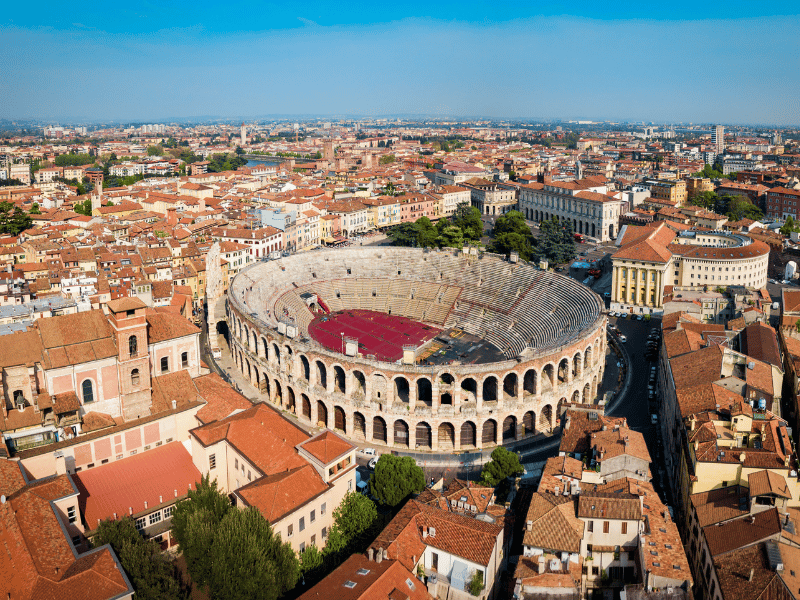
Verona breathes romance, and that’s no accident: Shakespeare chose this city as the setting for Romeo and Juliet. Tourists flock to the balcony of Casa di Giulietta (Juliet’s House), even though the connection to the story is largely legend. Just as impressive is the Arena di Verona, a first-century Roman amphitheatre still used today for opera performances under the stars.
5. Treviso: little Venice (and the birthplace of tiramisu)
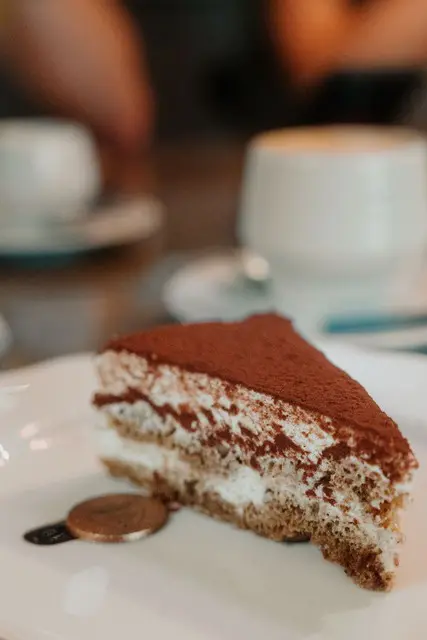
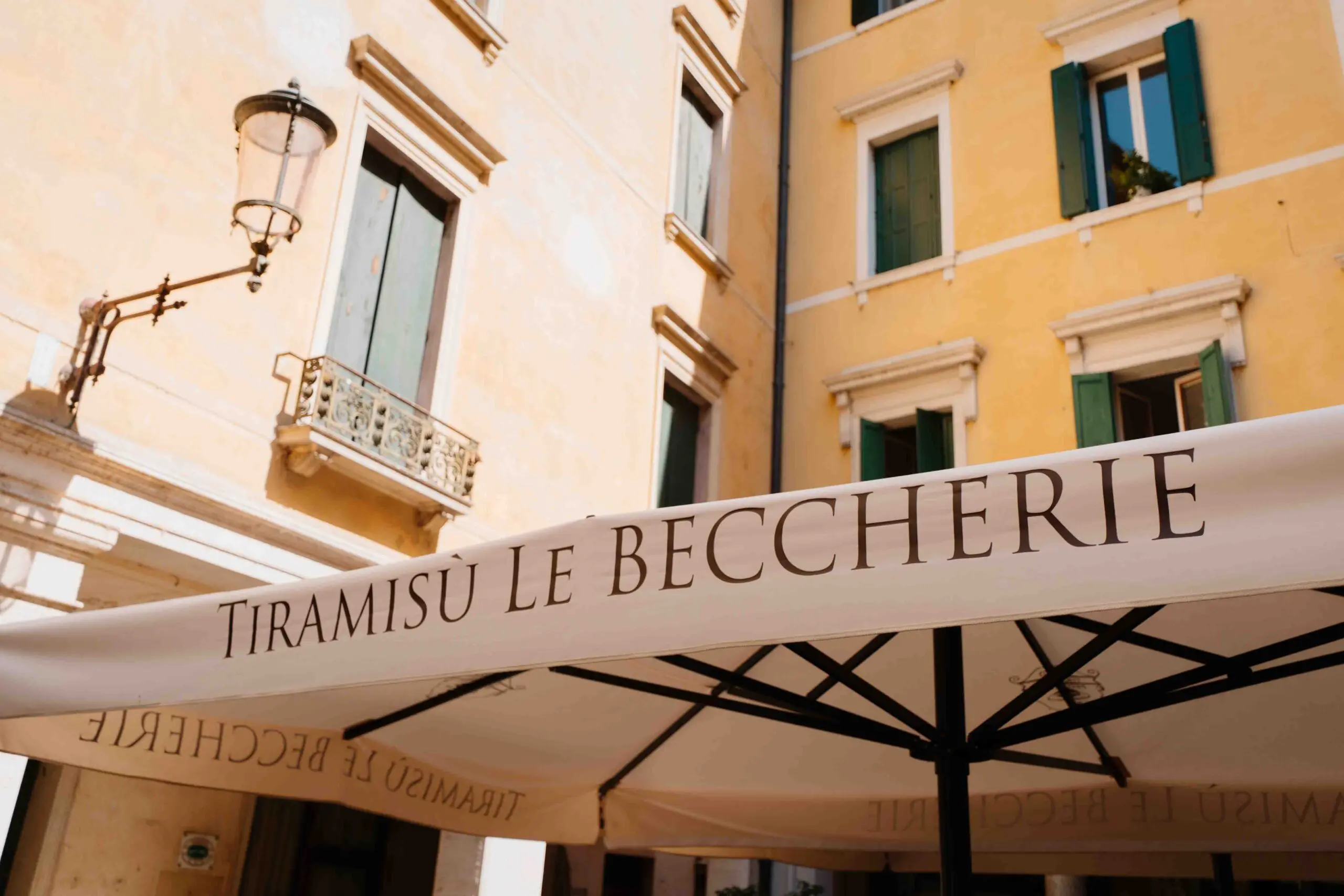
Treviso is often called “Little Venice“, and that’s no exaggeration: canals run straight through its historic centre here too, just without the crowds of the big city. What many people don’t know: tiramisu was invented here. Restaurant Le Beccherie, still open on Piazza Ancilotto, put the dessert on the menu for the first time in 1972.

6. Murano glass: centuries of craftsmanship
On the small island of Murano, a short boat ride from Venice, glass has been blown here since the thirteenth century. The Venetian Republic moved all the glass furnaces to this island at the time, fearing fires in the city itself, and in doing so created a craft that’s still passed down today. Watching the masters at work with molten glass in a glassblowing workshop is one of the most underrated day trips from Venice.
7. Alpago & Lake Santa Croce: surprising water in the mountains
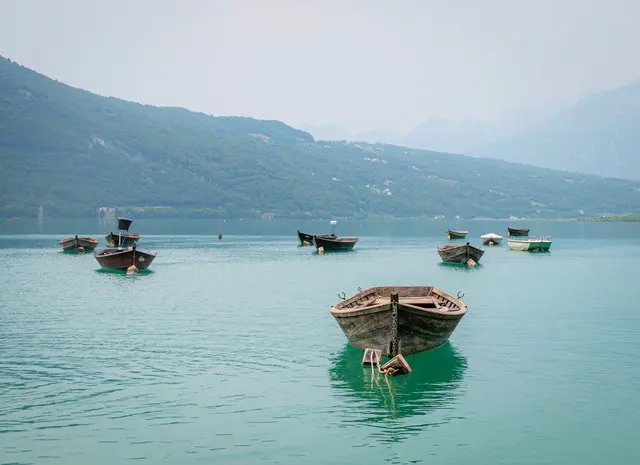
Less well known, but just as beautiful: Lake Santa Croce, the second-largest lake in Veneto, tucked away in the Alpago area near Belluno, at the foot of the Dolomites. Thanks to a steady thermal wind that picks up every afternoon, it’s one of Italy’s most popular spots for windsurfing and kitesurfing. Riding through the nearby Cansiglio forest with The Vespa Trip, you’ll also pass the Caglieron Caves, a gorge with waterfalls and wooden walkways, before ending the day with a swim in one of the area’s mountain lakes.
Explore Veneto yourself, by Vespa
From the wine hills of Valdobbiadene to the mountain lakes near Alpago: Veneto packs in a surprising amount of variety for a region its size. Ready for your own Northern Italy holiday on two wheels? Check out The Vespa Trip Veneto and discover the Prosecco hills, the Dolomites and everything in between on your own Vespa.